Findings from an international trial suggest patients with small-cell lung cancer (SCLC) have greater cognitive failure-free survival and fewer adverse events with brain MRI surveillance than preventive brain radiation. The data was presented at the International Association for the Study of Lung Cancer (IASLC) 2026 World Conference on Lung Cancer (WCLC).

Historically, clinicians have used prophylactic cranial irradiation (PCI) to reduce brain metastases after initial treatments for SCLC. This strategy was based on studies completed before MRIs were routine. The MAVERICK trial evaluated modern MRI surveillance to determine if it could provide the same or better survival outcomes as PCI, which presents potential cognitive side effects and other toxicities.
The phase 3 SWOG S1827 MAVERICK study included 304 patients who had limited-stage or extensive-stage SCLC between January 2020 and December 2025. All patients had previously completed initial SCLC treatment and had no brain metastases on MRI. The participants randomly received MRI surveillance alone or MRI surveillance with PCI (25 Gy in 10 fractions).
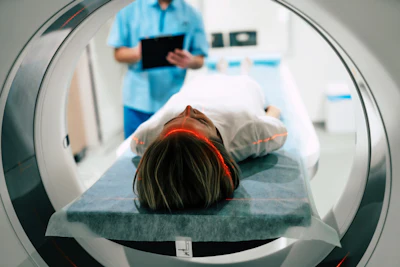
In each cohort, patients received brain MRIs every three months in the first year and every six months in the second year. Researchers performed cognitive testing, such as the Hopkins Verbal Learning Test-Revised, Controlled Oral Word Association and Trail Making Test, at the same intervals.
According to the study, MRI surveillance alone significantly improved cognitive failure-free survival (the trial’s primary endpoint) at an average follow-up period of 22 months among living patients. The approach reduced the risk of cognitive failure or death by 40% compared to MRI plus PCI (HR 0.60; 90% CI 0.46–0.78; p = 0.001). The outcome was similar among patients with limited-stage and extensive-stage SCLC, regardless of immunotherapy.

The researchers’ preliminary overall survival analysis, which was conducted after 128 deaths, revealed no apparent difference between the treatment strategies (HR for the MRI alone arm, 0.90; 90% CI 0.67–1.20). Brain metastasis-free survival was also clinically similar between the two groups (HR 1.25; 90% CI 0.95–1.66). Researchers noted they would complete the final analysis after 190 deaths.
In addition, patients who received MRI surveillance alone reported significantly fewer severe (grade 3–5) treatment-related adverse events, 0.8% compared to 7.9% of patients receiving MRI plus PCI.
“MRI surveillance alone was associated with improved cognitive failure-free survival compared with a strategy of MRI surveillance plus PCI. The benefit of MRI surveillance alone also appears to be consistent across patients with both limited-stage and extensive-stage small-cell lung cancer,” said principal investigator Chad Rusthoven, MD, of the University of Colorado School of Medicine, in a press release. “These results support MRI surveillance alone as the standard of care for patients with SCLC