Two recent studies have identified new biomarkers using extrachromosomal circular DNA and gene expression patterns that can predict which lung cancer patients are at higher risk of recurrence, potentially allowing doctors to make improved treatment decisions.
- 30-50% of lung adenocarcinoma patients experience recurrence or metastasis within five years of surgery, making early prediction critical.
- Chinese researchers discovered unique extrachromosomal circular DNA (eccDNA) characteristics that correlate with increased recurrence risk in lung adenocarcinoma patients.
- They created a multi-omics risk model using plasma-derived genes to successfully predict disease-free survival outcomes.
- Boston University researchers created a machine learning algorithm that detects vascular invasion-associated genes in to identify aggressive tumors.
- These noniinvasive liquid biopsy tests could help doctors choose appropriate treatment strategies and surgical approaches before surgery.
Two studies with results published in 2026 have made progress in understanding and predicting lung cancer recurrence.
The first paper, “Multi-Omics Profiling of Recurrence-Associated Extrachromosomal Circular DNA Characteristics and Its Prognostic Potential in Lung Adenocarcinoma,” was published in Precision Clinical Medicine. In the study, researchers in China discovered unique characteristics of extrachromosomal circular DNA (eccDNA) that correlated with an increased risk of recurrence for patients who have lung adenocarcinoma (LUAD).

According to the researchers, LUAD is the most common subtype of lung cancer, and 30%–50% of patients can experience recurrence or metastasis within five years of surgery. This new insight of DNA biomarkers can help improve postoperative risk assessment and management care, they said.
The study included 90 patients with early-stage LUAD, who had not received any treatment. Researchers collected and analyzed samples of tumor tissue, comparing them to adjacent nontumorous tissue and plasma samples to understand the genomic distribution and clinical significance of eccDNA.
The investigators reported higher GC (guanine-cytosine) content and stronger split-read signals in recurrent tumors than nonrecurrent tumors. Additionally, eccDNAs associated with recurrence contained several genes involved in cancer-producing pathways, such as mTOR, Notch and Ras signaling, the authors noted.
The team further observed the plasma samples and identified 2,387 eccDNAs that were commonly upregulated in tissue from recurrent lung cancer tumors. Using transcriptomics and survival data, it linked seven plasma-derived genes to these signals and created a multi-omics risk model.

Validation testing of the model consistently predicted patients’ risk level of disease-free survival (DFS) outcomes, the researchers reported. Further testing in larger prospective cohorts is necessary, they said, but the initial findings support the use of eccDNA-based liquid biopsies as a noninvasive prognostic marker of LUAD recurrence.
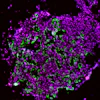
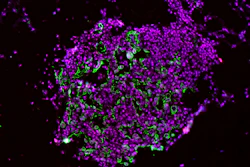
Meanwhile, an earlier study published in Nature Communications identified genes related to activity changes in LUAD tumors with vascular invasion. The paper, “Vascular Invasion-Associated Gene Expression Is Detectable in Pre-Surgical Biopsies of Stage I Lung Adenocarcinoma,” details findings of the research team from Boston University Chobanian & Avedisian School of Medicine (BUMC).
This discovery, the researchers said, can help doctors better understand which tumors are more likely to have vascular invasion (an indicator of poorer prognosis) and then take measures before surgery (rather than after) to reduce the risk of recurrence.
“We think this is a potential game-changer for patients with early-stage lung cancer,” said Marc Lenburg, PhD, professor of medicine, bioinformatics and pathology at BUMC, in a university news release. “Our findings suggest a simple biopsy-based test could help doctors better identify patients at higher risk of recurrence and guide treatment decisions.”

The research team employed gene activity measurements to classify more than 400 genes that vary in tumors with and without vascular invasion — a process in which tumors grow into surrounding blood vessels. Then, the team created a machine learning algorithm to predict the presence of vascular invasion and validated it in multiple datasets and small tumor samples collected in presurgical biopsy procedures.
The prognostic tool has potential to significantly improve patient outcomes, the researchers said, by predicting a tumor’s aggressiveness and recurrence earlier in the process and matching it with more appropriate treatment options.
“When lung cancer is detected earlier, there is a higher likelihood it can be cured. We want to get the treatment right: We don’t want to undertreat an aggressive cancer and risk recurrence, but we also don’t want to overtreat a less aggressive cancer,” Dr. Lenburg said. “The ability to know this prior to surgery will allow the surgeon to choose the right surgical approach.”