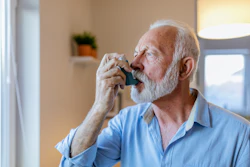
A clinical trial found that laughter therapy can reduce breathing difficulties in COPD patients just as effectively as traditional pursed-lip breathing exercises, with benefits sustained even a month after treatment ended.
- A randomized controlled trial of COPD patients compared laughter therapy, pursed-lip breathing exercises and a control group with no intervention.
- Both laughter therapy and pursed-lip breathing significantly reduced breathlessness severity compared to the control group, with effects lasting one month post-treatment.
- Laughter therapy exercises included rhythmic clapping, playful laughter mimicry, laughter meditation and relaxation breathing.
When it comes to COPD, laughter may really be the best medicine — or at least a very good one.
A clinical trial on patients with COPD found that laughter therapy can reduce breathing difficulties and is as effective as traditional breathing exercises.

The research, “Effect of Pursed-Lip Breathing and Laughter Therapy on Dyspnea, Health Status and Care Dependency in Individuals With Chronic Obstructive Pulmonary Disease: A Randomized Controlled Trial,” was presented at the European Respiratory Society (ERS) Congress 2026 in Barcelona, Spain.
To study the effects of laughter and pursed-lip breathing, the researchers enrolled 63 patients from the Ankara Bilkent City Hospital Chest Diseases Unit in Ankara, Turkey. The patients were stratified according to smoking status and COPD Assessment Test scores and assigned to two intervention groups and one control group. One-third of the patients were assigned to laughter therapy, one-third to pursed-lip breathing exercises and one-third to no breathing exercises for the control.
For laugher therapy, patients were taught how to do a series of exercises including rhythmic clapping with vocal sounds, playful laughter exercises, such as mimicking a motorcycle or a lion’s roar, a laughter meditation with spontaneous unforced laughter and a relaxation exercise with calm breathing and smiling. The pursed-lip exercises taught the patients to inhale through the nose and breathe out slowly through pursed lips.
Patients were assessed for their breathing difficulties, overall health and how much day-to-day care they needed before, during and after the treatment.
The study’s lead author, Goncagul Aldan, PhD, RN, said in a press release that after the treatment period, patients using the laughter therapy and pursed-lip breathing exercises had less difficulty breathing compared with those in the control group.

“The results of this study show that both pursed-lip breathing exercises and laughter therapy can significantly reduce the severity of breathlessness in COPD patients. And this effect was sustained even a month after the program ended,” she said. “Both interventions also showed promising results in improving overall health, suggesting that laughter therapy may be a worthwhile area for further investigation, alongside pursed-lip breathing, in COPD care.”
Dr. Aldan explained that there are specific physical reasons for the way the treatments work.
“In COPD, the airways tend to collapse during exhalation, trapping stale air inside the lungs,” she said. “Pursed-lip breathing creates gentle back pressure that allows this trapped air to escape, slows the breathing rate and helps patients feel more in control of their breathing. Laughter may exercise the breathing muscles, promote deeper exhalation and trigger the release of endorphins, offering both physical and emotional relief.’
Dr. Aldan said that despite the success of this study, the mechanisms behind laughter therapy in COPD remain poorly understood and more comprehensive research is needed. She said her team of researchers hopes to study laughter therapy on a larger scale with more patients and to collaborate internationally to study these approaches in clinical settings across different countries.