Recent research published in the International Journal of Cardiology suggests that SOX17 genetic mutations are linked to a type of severe pulmonary arterial hypertension (PAH) that manifests in children and some adults. The findings were detailed in the paper, “SOX17 Variants Are Associated With Severe Pulmonary Arterial Hypertension With and Without Congenital Heart Disease.”

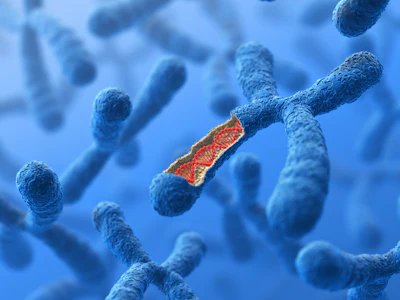
SOX17 is one gene in a family of transcription factors involved in embryonic development, including cardiovascular and pulmonary growth regulation.
U.K. researchers evaluated eight children who had PAH with mutations in the SOX17 gene. Most of the children also had severe illness and/or congenital heart disease. Unfortunately, several of the children died either waiting for a lung transplant or undergoing invasive surgeries.
“Despite aggressive [treatment], clinical response and outcomes were poor in this cohort of patients,” the researchers wrote.
The team also examined previous research of SOX17-related PAH. About two-thirds of these cases were individuals diagnosed in childhood, with a median diagnostic age of five years. The remaining cases were diagnosed in adulthood, with a median age of 33 years. Patients with congenital heart disease were more likely to be diagnosed as children than those without heart defects who were frequently older.
The precise location of the mutation further elucidates timing of disease onset, the researchers said. More than half of patients who had childhood-onset PAH had mutations in the HMG-box domain, a specific region of the SOX17 gene. However, only one in five patients with adult-onset PAH had mutations in the same location.

PAH caused by mutations in SOX17 is rare, but the study’s insights will help scientists understand how it contributes to the disease, the researchers concluded, while highlighting the significance of childhood genetic testing in receiving earlier diagnoses and treatment.