According to the FROSTBITE-2 study, using a cryoprobe versus forceps in a transbronchial lung biopsy increases diagnostic yield and safety. The paper, “Cryobiopsy vs Forceps for Bronchoscopic Lung Biopsy: The FROSTBITE-2 Randomized Clinical Trial,” was published in JAMA.

Standard forceps can be faster at collecting tissue but carry a risk of destroying part of the sample when pinching it off for removal. Meanwhile, a cryoprobe uses localized freezing to extract a tissue sample.
The randomized trial assessed biopsies of patients who underwent biopsy for pulmonary nodules or masses, recent lung transplant or diffuse parenchymal lung disease. The 1.1-milimeter cryoprobe increased diagnostic yield by nearly 10% compared to the 2.0-millimeter forceps (88.6% versus 78.8%, respectively). The difference was greater among patients with pulmonary nodules or masses (83.2% versus 70.1%).
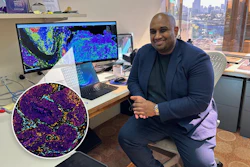
 Fabien Maldonado, MD, MScVanderbilt Health
In a secondary analysis on safety, four patients in the forceps group (1.6%) experienced collapsed lungs requiring chest tube placement compared to no patients in the cryoprobe group.
Unlike with larger cryoprobes, such as the 1.9-millimeter probe that has been tested previously, there were no patients who experienced significant bleeding or respiratory failure using the 1.1-millimeter cryoprobe.

“We’re continually investigating ways we can improve these procedures, as accurate diagnoses up-front save time, which may help get patients the treatment they need faster,” said Dr. Maldonado, who also holds the Pierre Massion Directorship in Lung Cancer Research at Vanderbilt Health, and is vice chair of the Interventional Pulmonary Outcomes Group, which conducted the study.
“These promising results bring us one step closer to making these vital diagnostic procedures even more safe, accurate and effective,” said Robert Lentz, MD, interventional pulmonologist and associate professor of medicine and thoracic surgery at Vanderbilt Health. “Our team is currently conducting FROSTBITE-3, a randomized, controlled trial comparing the 1.1-millimeter cryoprobe with instruments for lymph node biopsies, to determine whether this novel tool may help with molecular testing in patients diagnosed with lung cancer.”