Researchers at UTHealth Houston in Texas have identified patterns of hidden systemic inflammation in patients who have primary ciliary dyskinesia (PCD). Their results are outlined in the paper, “Multi-Omics Analysis Defines Endotypes and Systemic Inflammation in Primary Ciliary Dyskinesia: A Comparison with Healthy Controls,” published in the Annals of the American Thoracic Society.

People who have the rare lung disease are typically diagnosed in infancy and experience worsening chronic symptoms, including nasal congestion, wet cough and respiratory viruses, like pneumonia, sinus and ear infections. The prolonged inflammation can lead to lasting lung damage if not adequately controlled.
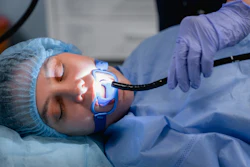
A research team, led by Ricardo Mosquera, MD, MS, and Giuseppe Colasurdo, MD, applied integrated multi-omics to differentiate various types of inflammatory patterns. Then, they evaluated whether the inflammatory markers for PCD were detectable in a simple oral swab in addition to a blood sample. The results correlated across both methods, and the addition of the oral approach will make it easier to diagnose the disease as well as monitor and control inflammation, they said.
“These findings help us understand why lung disease in children with primary ciliary dyskinesia can worsen over time,” said Dr. Mosquera, who is a professor and director of pediatric pulmonary and sleep medicine at McGovern Medical School at UTHealth Houston. “They open the door to using existing anti-inflammatory therapies in new ways. They also point to better, more precise ways to monitor how patients respond to treatment.”
The study 76 included participants (51 with PCD and 25 healthy controls) from the United States, Puerto Rico and Mexico who performed at-home saliva collection. The results demonstrated the feasibility of home-based, noninvasive monitoring, which expands access to diverse populations, the authors said.

The ultimate goal, they noted, is to move toward personalized care, where patients and doctors can make better informed treatment decisions based on individual inflammatory profiles. The swabbing method may also apply to management of other chronic pulmonary conditions, researchers said.
“The impact of this research may extend far beyond primary ciliary dyskinesia,” Dr. Mosquera said. “Many chronic lung diseases are linked to persistent inflammation, and this simple oral swab could help researchers and clinicians better understand how these conditions affect each patient.”