The U.S. Centers for Disease Control and Prevention (CDC) has published a Morbidity and Mortality Weekly Report that presents alarming findings. Active Surveillance for Invasive Mold Disease suggests invasive mold infections may be a more severe threat to the public than previously recognized.

CDC researchers reviewed medical records from three laboratories that served four Atlanta-area hospitals and their associated clinics from 2020 to 2024. They identified 968 patients with potential invasive mold disease (IMD) and classified 449 of them (46%) with the potentially life-threatening condition. Approximately one third (35%) of the affected patients died in the hospital.
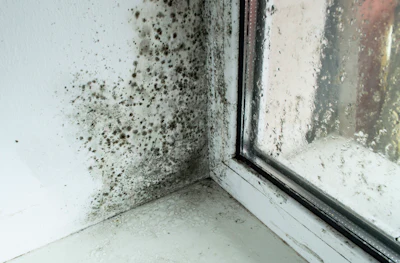
According to report, mold exposure is a chronic problem with growing concern due to the influx of natural disasters associated with climate change. Individuals who are older, immunocompromised and/or have or recently had COVID-19 are at increased risk of developing complications from IMD.
Humans are most likely to ingest mold spores but can also contract the fungus through open cuts or wounds after contact with contaminated medical equipment. IMDs can invade bodily tissues and cause damage to one or more organs.
This is the first time researchers have assessed and reported the local occurrence of IMD-specific cases, said senior author Jeremy Gold, MD, MS, a medical epidemiologist at the CDC. The study provides important awareness for healthcare providers and administrators, he said.
“Continued surveillance could help identify emerging populations at risk for IMD, facilitate earlier recognition and treatment and support detection of healthcare-associated outbreaks,” the authors wrote.