Acute respiratory distress syndrome (ARDS) is a life-threatening pulmonary condition that can develop from abnormal fluid buildup in the lungs caused by infection or injury. According to the Cleveland Clinic, an estimated three million people worldwide are diagnosed with ARDS every year. The disease was a common comorbidity among people with severe COVID-19.

Now, a newly developed experimental drug may help relieve symptoms and cut down ventilation time for ARDS patients. The paper, “Early Safety/Therapeutic Results of ALT-100 eNAMPT mAb Impact in the PUERTA Phase 2A ARDS Trial,” details the proof-of-concept study. It was published in the American Journal of Respiratory and Critical Care Medicine.
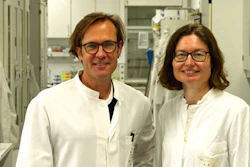
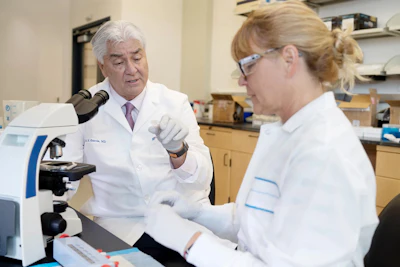
Physician-scientist and first author Joe G. N. Garcia, MD, led the research team that developed ALT-100 — a monoclonal antibody that targets extracellular NAMPT, a master regulator of inflammation. Monoclonal antibodies are manufactured proteins that simulate natural immune functions.
“There are no FDA-approved therapies to give these patients, and given the unacceptable mortality and pervasiveness of the disease, ARDS treatments remain one of the greatest unmet needs in medicine,” said Dr. Garcia, an associate vice president for research at University of Florida (UF) in Gainesville, in a news release.
The early phase clinical trial included 15 patients from academic medical centers in six U.S. cities. The patients were all diagnosed with ARDS and received treatment — either ALT-100 or a saline solution placebo, at random — within six hours of diagnosis.
Researchers evaluated the participants over a 28-day period. Individuals in the ALT-100 group experienced significantly more ventilator-free days compared to the placebo group (21 versus 14, respectively). The ALT-100 group also demonstrated reduced inflammatory markers and lower organ failure scores.

“Even though we were only able to enroll 15 patients, the data we are getting is simply incredible,” said Dr. Garcia, who is also director of The Center for Inflammation Science and Systems Medicine at The Herbert Wertheim UF Scripps Institute for Biomedical Innovation and Technology.
Dr. Garcia said unlike similar monoclonal antibody treatments, ALT-100 does not inhibit the body’s immune system from fighting infection. He said he hopes to obtain funding for a larger clinical trial to further test ALT-100 in patients with ARDS as well as progressive pulmonary fibrosis.