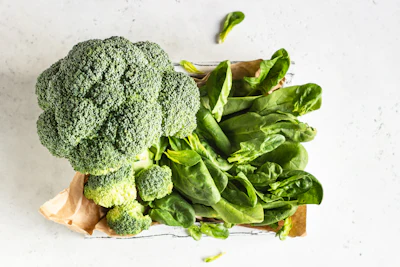
Those who eat more vitamin K1, which is found in foods like spinach, kale and broccoli, are less likely to develop chronic lung conditions like COPD.
That’s according to the paper, “Dietary Vitamin K Intakes, Chronic Obstructive Pulmonary Disease, Adult Asthma and Lung Function: A Prospective Cohort Study,” published in The American Journal of Clinical Nutrition.

The study was designed to investigate the associations between dietary intakes of vitamins K1 and K2 and the incidence of COPD, asthma and lung function.
Researchers from Edith Cowan University’s Nutrition and Health Innovation Research Institute in Perth, Australia, analyzed data from more than 179,000 U.K. Biobank participants without COPD or asthma. Diagnoses of COPD and asthma were ascertained through linkage to hospital inpatient records, primary care data and death registries.
To assess associations between dietary vitamin K intake and incident COPD and asthma, the researchers used multivariable-adjusted Cox proportional hazards models. Intake of vitamin K1 came primarily from broccoli, green leafy vegetables and vegetable oils. Intake of vitamin K2 came mainly from chicken, eggs, dairy products and red meat.
Over a 10.5-year follow-up period, 3,135 people developed COPD, while 4,269 developed asthma. Higher vitamin K1 intakes were associated with lower COPD rates. However, no associations were found between intakes of vitamin K1 and K2 and asthma. Although vitamin K2 showed no benefit for COPD risk, it was linked to somewhat better lung function at moderate intakes. Overall, higher K1 intakes were associated with better lung function.
The findings suggest that eating foods rich in vitamin K1, such as kale, spinach and broccoli, could help keep maintain lung function as you age. In fact, the study found that people with the highest intake of vitamin K1 had about a 16% lower risk of COPD compared to those with the lowest intake.

“Vitamin K likely activates a protein that protects the lungs’ elastic fibers — the tiny structures that let your lungs expand and contract,” said associate professor Mark Sim, MD, in a press release. “When these fibers break down, breathing becomes harder over time. This nutrient may help keep lung tissue flexible and prevent damage.”