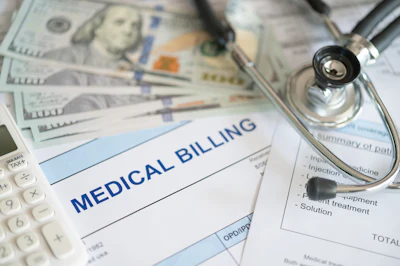
The cost burden of having COPD can impact the physical and mental health of those with the condition, often leading to them forgo medications, delay or avoid medical care and alter major financial plans.
That’s according to the paper, “Exploring the Impact of Financial Toxicity in COPD: A Qualitative Study,” published in Chronic Obstructive Pulmonary Diseases: Journal of the COPD Foundation.

Patients with COPD commonly experience high medical costs from their prescribed medications, unexpected emergency department visits and hospital admissions. More extreme cases can lead to income loss from an inability to work.
As part of the study, researchers interviewed 30 individuals living with COPD who were enrolled in the Medication Adherence Research in COPD (MARC) study. That earlier study was a prospective, multicenter cohort study between Johns Hopkins Medicine in Baltimore and Hagerstown, Maryland, and Christiana Care in Wilmington and Newark, Delaware. Criteria for inclusion in the financial toxicity study were the same as in the MARC study: at least 40 years old with physician-diagnosed COPD of at least moderate severity based on prescription of a long-term controller medication.
Participants described both direct and indirect costs related to COPD. Direct costs included substantial out-of-pocket costs for inhalers, which increased further when their annual prescription coverage limit was exceeded. For those with Medicare Part D, this is often referred to as the “donut hole,” wherein the beneficiary is responsible for a greater percentage of total prescription costs. Other direct costs included medical bills from hospitalizations and increasing health insurance premiums.

“Well, I put out a fair amount of money for medications, even with Medicare Part D,” said one participant, as recorded in the published paper. “The Trelegy that I take, when I end up in the ‘donut hole’ it becomes pretty significant. … I’m probably out-of-pocket, probably put $3,000 into various medications.”
Indirect costs included loss of employment or early retirement resulting in lost income along with expenses related to receiving medical care — such as transportation to and from appointments. Some also described downstream effects on their financial well-being, such as a drop in credit card scores as a result of defaulting on bill payments or accumulating credit card debit.
“I live in a rural area, and my doctors are 20, 30 miles away,” said another participant. “When I was on Medicaid, I could use the transportation from the health department, but they do not do that for Medicare. … So, I have to pay people to take me to the doctor, to sit there and wait on me, and bring me back.”
These burdens often led to changes in financial planning, participants reported, with some reducing day-to-day spending on necessities, decreasing participation in leisure activities, selling assets, dipping into retirement funds early or moving residences to pay for medical bills. At least one participant said they almost stopped taking their medication because they could no longer afford it.

“Financial toxicity is often discussed in cancer care. Our findings show it is also a significant issue for people living with COPD,” said lead author Sonal Mallya, MD, MHS, in a press release. “The financial burden can influence not only a person’s finances, but also how they manage their health. Understanding how people experience these financial pressures is an important step toward developing solutions that improve both health outcomes and quality of life.”