Nonpharmacological breathlessness action plans could help patients with COPD avoid hospitalization, but more research is needed to study their effectiveness.
That’s according to a survey, “Nonpharmacological Breathlessness Action Plans for People With COPD and Their Support People: A Scoping Review and Survey of Current Practice,” published in the International Journal of Chronic Obstructive Pulmonary Disease.

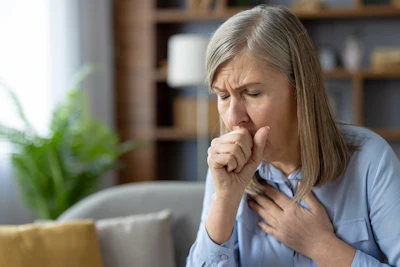
Breathlessness action plans guide people to self-manage acute COPD-related breathlessness episodes using nonpharmacological strategies to help their breathing and help overcome panic.
According to the survey, the researchers wanted to identify currently available plans and describe their content, quality, use and evidence of benefits. They used two descriptive methodologies to do this:
- A scoping review including academic databases and the internet, which was used to identify English-language plans and research
- An online survey of plan users and clinicians that asked them about their plan-related experience and the perceived benefits of using the plans
Overall, 69 existing plans were identified. Of those, 88% included breathing techniques, 78% included positioning, 65% included airflow, 36% included relaxation or distraction and 30% included stopping and slowing down. Other techniques included remaining calm, finding reassurance, getting support from others, and loosening clothing.
There were 48 plans that the researchers were able to evaluate using the Patient Education Materials Assessment Tool (PEMAT). Those plans scored an average of 64% for understandability and 68% for readability.
In the survey, 67% of all plan users self-reported avoiding calling an ambulance over the previous year by using their plan. Among clinicians, 93% said they perceived patient benefit in the form of increased confidence and reduced anxiety, reduced frequency of episodes, reduced need for an ambulance or emergency department visit and increased activities of daily living. Only 4% said they were unsure of any benefit.

The researchers wrote that despite so many plans being available, “few studies have assessed acceptability or efficacy.” They said more research is needed to evaluate the effects of these plans on self-management, breathlessness-related outcomes and health care usage.