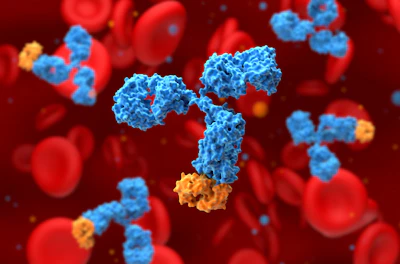
A new anti-ST2 monoclonal antibody could possibly help reduce both moderate-to-severe and severe exacerbations in patients with COPD.
Biopharmaceutical company Mabwell announced that the Phase 2a clinical study for its self-developed antibody, 9MW1911, demonstrated a reduction of more than 30% in the annualized rate of moderate-to-severe exacerbations and more than 40% in severe exacerbations.

According to a news release, the study (NCT06175351) was a randomized, double-blind, placebo-controlled, multiple-dose, dose-escalation trial. It evaluated the safety, tolerability and pharmacokinetic characteristics of 9MW1911 in previously smoking patients with moderate-to-severe COPD.
The results indicated that, compared to placebo, 9MW1911 was safe and well-tolerated across all dose groups, with the overall incidence of adverse events being similar to the placebo group. Immunogenicity was negative in all participants and no new safety risk signals were identified.
The company said it is moving forward with a Phase 2b study in a larger COPD population, with the first patient dosing completed in July 2025. An analysis of that trial is planned following data collection from at least 120 patients. The company has applied for a Phase 3 trial with the U.S. Food and Drug Administration, which is expected to begin by the end of 2026.