A five-year University of Arizona study involving over 822 children at high-risk for asthma found that OM-85, an experimental bacterial extract designed to prevent pediatric asthma, provided no meaningful benefit compared to placebo in preventing wheezing or asthma development, challenging the theory that early immune system modification can prevent respiratory illness progression.
- The ORBEX trial involved 822 children aged six to 18 months identified as high-risk for asthma due to family history or atopic dermatitis
- Only 21% of children receiving OM-85 experienced wheezing compared to 18% in the placebo group — no significant difference
- OM-85 failed to reduce asthma development by age six, the study's secondary goal
OM-85, an experimental bacterial extract designed to reduce or prevent pediatric asthma in young children, did not reach its intended goal in a recent University of Arizona study.
Detailed in the paper, “Use of the Bacterial Lysate OM-85 for the Primary Prevention of Wheezing Lower Respiratory Illness in Preschool Children: A Randomized, Placebo-Controlled Trial,” the results come from the landmark ORBEX trial, a five-year study involving more than 822 children across the United States. The trial evaluated whether early-life treatment with OM-85, an oral bacterial lysate designed to stimulate immune system development, could prevent wheezing associated with lower respiratory tract illnesses that are often linked to a later asthma diagnosis. The paper was published in The Lancet.

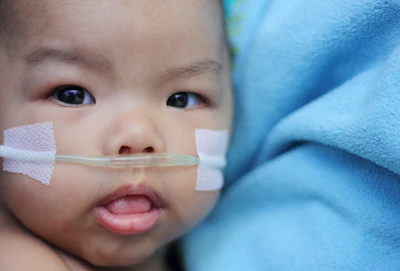
The study evaluated infants aged six to 18 months who were identified as high risk for asthma due to factors such as parental asthma, asthma in an older sibling or physician-diagnosed atopic dermatitis. Researchers randomly assigned OM-85 or a placebo for 10 days each month over a two-year period and monitored participants for an additional three years, tracking the occurrence of lower respiratory tract illnesses wheezing, a key indicator associated with future asthma development, they said.
Treatment provided no meaningful benefit compared to placebo, investigators wrote. During the three-year observation period after treatment stopped, 132 children experienced at least one wheezing lower respiratory tract illness. Among participants completing treatment, 21% who received OM-85 experienced wheezing lower respiratory tract illness compared to 18% in the placebo group.

Additionally, OM-85 failed to reduce the likelihood of developing asthma by age six, another goal of the study, researchers said. Their findings, they noted, challenge the theory that modifying the immune system early in life through bacterial-derived therapies can prevent the progression from respiratory infections to recurrent wheezing and eventually asthma.
Despite not reaching its goal, researchers said the study provided positive news regarding safety. OM-85 was well tolerated over the 24-month treatment period, and researchers reported no unexpected adverse events. Common childhood illnesses, such as fevers, coughs and colds, occurred at similar rates in both treatment groups, they reported.
Investigators noted there have been earlier, smaller studies tracking wheezing episodes and testing the effectiveness of OM-85 in children who already had recurrent respiratory symptoms. However, the ORBEX study results stand in contrast to previous trials, they wrote. A key difference from those studies, they added, is that ORBEX focused on prevention in children who had not yet developed recurrent wheezing.
Unfortunately, the trial also faced challenges from the COVID-19 pandemic, which extended the monitoring period from one year to three and temporarily lowered the transmission of common respiratory illnesses. Although investigators adjusted these considerations, they said the pandemic did not alter the overall conclusion that OM-85 provided no measurable preventive benefit.

According to the study’s authors, wheezing associated with lower respiratory tract illnesses remains one of the leading causes of hospitalization in preschool children and is strongly associated with future asthma. They reported there is no approved therapy effective in preventing these illnesses or asthma from developing in high-risk children.
Investigators indicated they will conduct future studies to evaluate bacterial-based therapies in children who already experience recurrent wheezing episodes.