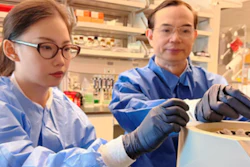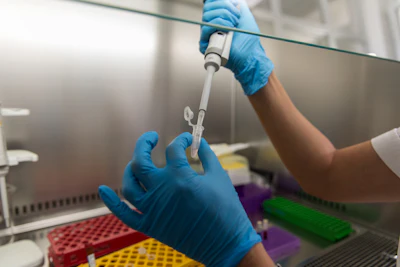
Yale researchers developed two new methods to improve RNA extraction from precision-cut lung slices by overcoming barriers created by agarose, a gel-like substance used to prepare lung tissue samples.
- Precision-cut lung slices (PCLS) allow scientists to study living lung tissue outside the body.
- Yale researchers tested two approaches: a plant-based extraction method and an agarose dissolution method using a buffer from gel electrophoresis.
- The agarose dissolution approach produced higher RNA quantities with improved integrity compared to conventional extraction methods.
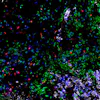
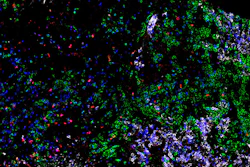
Scientists use precision-cut lung slices (PCLS) to study living lung tissue outside the human body. The process to create PCLS can be difficult, as it requires a gel-like substance called agarose to inflate donated lungs and prepare them for being thinly sliced. The tradeoff to agarose is the residue it leaves behind, which can hinder RNA extraction.

Now, a research team from Yale School of Medicine (YSM) in New Haven, Connecticut, has discovered two new approaches for improving RNA integrity during extraction.
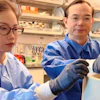
“The fact that there are different cell types within the tissue is really useful for studying how cells interact and respond to one another because the cells within our organs are built to communicate with each other,” said Reina Rangel, MS, a research associate in the YSM section of pulmonary, critical care and sleep medicine, in a news release. “The agarose is extremely helpful in that it enables us to cut the PCLS in the first place. But it becomes a barrier that prevents us from doing certain downstream things.”
The study and its results are detailed in the paper, “Modified RNA Extraction Methods to Eliminate Agarose Impurities in Human Precision-Cut Lung Slices,” which was published in the American Journal of Respiratory Cell and Molecular Biology.
In conventional extraction approaches, said Rangel, who was first author of the paper, RNA quantities can be below detection threshold and have significantly less integrity. To develop new approaches, the researchers analyzed the biological origins of agarose. Since agarose is a polysaccharide derived from seaweed, Rangel said she tested a plant-based method that used tools designed for plant tissues.

At the same time, Joan Marti-Munoz, PhD, corresponding author and associate research scientist, tested a strategy to remove agarose before RNA extraction.
“I looked for a way to dissolve the agarose in PCLS before extracting RNA and found that a buffer routinely used in gel electrophoresis worked well,” Dr. Marti-Munoz said.
Both researchers reported improvement in reliable extraction and RNA recovery, though the agarose dissolution approach yielded higher quantities of RNA with more integrity, they said.
“Obtaining high-quality RNA is essential for meaningful gene expression studies, and our method helps researchers achieve this goal,” said Dr. Marti-Munoz.
Gene expression analysis is critical to understanding how lung tissue responds to experimental drugs for diseases such as pulmonary fibrosis, Rangel said.
“Human tissue is valuable for our research because when we’re designing drugs, we want them to work in people,” she Rangel. “Precision-cut lung slices enable you to have multiple samples from the same person, giving researchers better tools to answer what we think are very important questions.”