Therapist‑guided, internet‑delivered cognitive behavioral therapy (ICBT) may significantly reduce anxiety related to asthma and improve patients’ quality of life, offering a highly accessible psychological treatment option for millions who struggle with both conditions. That’s according to the Swedish study, “Online Cognitive Behavior Therapy for Asthma-Related Anxiety: A Randomized Controlled Trial,” recently published in the journal, Thorax.

Conducted by researchers at Karolinska Institutet in Solna, Sweden, the randomized controlled trial evaluated 90 adults with physician‑diagnosed asthma and anxiety tied to their symptoms. Participants were randomly assigned to either an eight‑week online CBT program with therapist support or to standard asthma care paired with online medical education.
According to researchers, up to one‑third of adults with asthma experience significant anxiety related to their symptoms, which can lead to:
- Poor asthma control
- Increased health care utilization
- Reduced adherence to medications
- Lower quality of life
Despite this, psychosocial treatments specifically targeting asthma‑related anxiety have been limited. This study stands out as the first randomized controlled trial to rigorously evaluate an online CBT program tailored to asthma‑specific anxiety in adults.
The trial’s primary outcome revealed among participants was “catastrophic thinking” — fearful beliefs and assumptions that often worsen symptom perception and interfere with daily life. The results were striking, they noted. Those who received ICBT showed substantially larger reductions in catastrophizing compared with the control group, with improvements maintained at a six‑month follow‑up.
In addition to reducing catastrophic thoughts, ICBT participants saw greater improvements across several key areas, including:
- Asthma control
- Avoidance behaviors triggered by asthma fears
- Quality of life
- Worry, anxiety sensitivity, health concerns and sleep quality

There were no reported declines in lung function, suggesting the therapy is safe even when exposure exercises involve triggering mild asthma‑like sensations.
Asthma and anxiety frequently reinforce one another, researchers noted. Symptoms such as breathlessness, chest tightness and coughing can mimic anxiety sensations, making it difficult to distinguish between harmless bodily cues and true asthma events. This often leads to avoidance patterns that worsen anxiety and impair daily functioning.
The ICBT program used in the study applied an exposure‑based CBT framework, guiding patients through exercises such as brisk walking or speaking in public despite coughing sensations. These exercises aimed to break the fear‑avoidance cycle and recalibrate the brain’s interpretation of respiratory signals.
Researchers said this model aligns with emerging theories that suggest exaggerated symptom expectations — and the brain’s “prediction errors” in interpreting sensations — play a role in chronic respiratory anxiety.
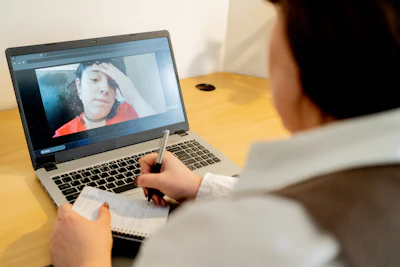
One of the major advantages of the program is its accessibility. Delivered entirely online with written therapist guidance, the approach allows individuals to receive treatment regardless of location, mobility or access to specialized mental‑health services.

Participants reported high satisfaction and adherence, with minimal dropout. A dose‑response pattern also emerged: the more treatment modules participants completed, the more they improved.
Although the treatment did not improve lung function — a finding consistent with earlier smaller studies — it produced broad and lasting psychological and behavioral benefits without risk to respiratory health.
Researchers suggested that integrating ICBT into standard asthma care could provide a powerful, scalable tool for addressing an often‑overlooked aspect of disease management.
Further research in real‑world clinical settings, they noted, may help determine how such programs perform in routine care and how they can be best implemented in health care systems.