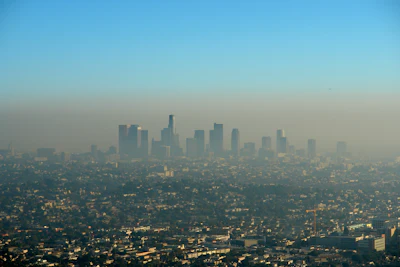
Certain genetic variations may help explain why some people with asthma are more vulnerable to the harmful effects of air pollution than others. As outlined in the paper, “A Cross-Sectional Study of Oxidative Stress Pathway Genotypes and Their Interactions With Environmental Pollutant Levels Identifies Associations With Gene Expression and Lung Function,” researchers found that specific genes involved in oxidative stress pathways can modify how exposure to fine particulate matter (PM2.5) affects lung function. The paper, which was published in eBioMedicine, part of The Lancet Discovery Science, offers new insights into personalized approaches for asthma treatment.

The researchers analyzed data from 948 adults with asthma who participated in the Severe Asthma Research Program (SARP), a multicenter initiative funded by the U.S. National Institutes of Health (NIH) and the National Heart, Lung and Blood Institute (NHLBI). Investigators combined ZIP-code-level estimates of PM2.5 exposure with whole-genome sequencing data to examine interactions between environmental pollution and genetic factors. They focused on more than 4,300 genetic variants across 120 genes associated with oxidative stress, a biological process linked to inflammation and tissue damage.
According to the study’s authors, the findings confirmed that higher levels of PM2.5 exposure were associated with poorer lung function, as measured by forced expiratory volume in one second (FEV1), a key indicator of respiratory health.
More significantly, researchers identified 20 genetic variants, or single nucleotide polymorphisms, across seven genes (OXSR1, PXDN, TPO, LRRK2, APP, MSRA and MSRB2) that significantly altered the relationship between pollution exposure and lung function.

In conducting further analysis of gene expression data from bronchial epithelial cells, investigators found that five of the variants influenced how strongly nearby genes were expressed. Variants in the OXSR1 and PXDN genes were associated with reduced gene expression and greater declines in lung function among individuals exposed to higher levels of PM2.5.
Conversely, the study showed that certain variants in the TPO gene appeared to have a protective effect under increasing pollution exposure. Although these variants were linked to lower lung function under baseline conditions, researchers reported they were associated with reduced TPO expression and improved FEV1 measurements as PM2.5 levels increased.
Researchers said the results highlight the complex interplay between genes and environmental exposures in asthma. By identifying genetic markers that influence susceptibility to air pollution, the study’s findings may help pave the way for more personalized strategies to predict risk, guide treatment decisions and develop therapies for pollution-sensitive asthma subtypes, authors noted.
Additionally, researchers said the findings underscore the importance of considering environmental factors when conducting genetic studies of complex diseases.