Boston-based Kinaset Therapeutics has reached a key clinical milestone with the dosing of the first patient in its phase 2b PANAIRAMA trial. The study, “A Phase 2 Clinical Study to Evaluate the Efficacy and Safety of Frevecitinib (KN-002) in Patients With Severe Asthma (PANAIRAMA),”

The randomized, double-blind, placebo-controlled trial was designed to assess the efficacy, safety and pharmacokinetics of three dose levels of frevecitinib. According to a company press release, the trial aims to identify the optimal dosing regimen for potential future pivotal studies and will enroll patients at sites across the United States and internationally.
“[The study] represents an important step forward in the clinical development of frevecitinib,” said Kinaset Chief Medical Officer Christopher O’Brien, MD, PhD. Dr. O’Brien noted that the company believes the therapy could become a first- and best-in-class inhaled treatment for patients whose asthma is not adequately controlled with current options.
According to Kinaset, frevecitinib is unique in that it targets all four members of the Janus kinase family, including JAK1, JAK2, JAK3 and TYK2, through direct delivery to the lungs. The company said it believes this broad mechanism of action may enable the drug to address both Th2-driven and Th1-driven inflammatory pathways, potentially expanding its effectiveness across a wider range of asthma patients, including those with non-eosinophilic disease who are often underserved by current therapies.
The chronic nature of asthma is known to cause persistent symptoms, impaired lung function and exacerbations despite treatment with inhaled corticosteroid and long-acting beta agonist (ICS/LABA) therapies, the company said. Kinaset is positioning frevecitinib as a potential maintenance therapy for those patients who continue to struggle with uncontrolled disease.

Earlier phase 1 data released by Kinaset demonstrated that frevecitinib reduced fractional exhaled nitric oxide (FeNO), a biomarker associated with airway inflammation, among patients with asthma and COPD. The company said the drug also showed dose-proportional pharmacokinetics while maintaining plasma concentrations below pharmacologically active systemic levels, suggesting limited systemic exposure and no significant safety concerns observed to date.
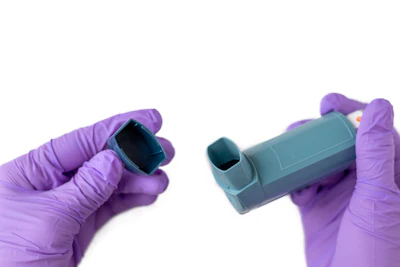
Frevecitinib was specifically designed to overcome challenges that have hindered the development of previous inhaled JAK inhibitors, company officials said. Formulated as a dry-powder inhalation therapy, the drug is intended to deliver therapeutic concentrations directly to lung tissue while minimizing systemic absorption. Unlike some competing inhaled JAK candidates, Kinaset said, the drug is designed to provide a therapeutic dose through a single inhalation actuation.
The phase 2b PANAIRAMA trial will evaluate treatment over a 12-week period in patients with severe asthma that remains inadequately controlled despite medium-to-high dose inhaled corticosteroid (ICS)/long-acting beta-agonist (LABA) therapy. The company said results from the study are expected to help determine whether frevecitinib can advance into late-stage clinical development and potentially offer a new treatment option for patients with difficult-to-control asthma.