European researchers have determined that severe asthma patients face a persistent and complex disease burden, even as biologic therapies have become increasingly available. That determination is detailed in the paper, “Severe Asthma and Remission Prospects in Europe (SHARP): Insights From a Multicenter Observational Study Based on the European Severe Asthma Registry,” recently published in Lancet Respiratory Medicine.

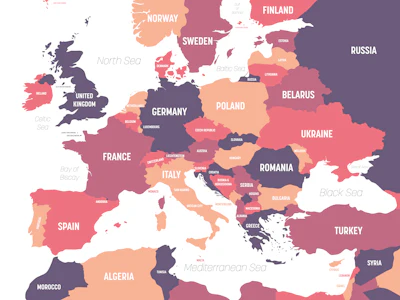
The large international study was conducted through the Severe Heterogeneous Asthma Registry, Patient-Centered Clinical Research Collaboration (SHARP CRC). Researchers analyzed data from 13,455 adults with severe asthma across Europe, providing one of the most comprehensive real-world assessments of the condition to date.
According to investigators, nearly nine in 10 patients (89%) had at least one active disease domain, such as poor asthma control, frequent exacerbations, airflow limitation or dependence on maintenance oral corticosteroids. However, one of the study's most striking findings was that 79% of patients were receiving biologic therapy, which researchers said is widely considered one of the most significant advances in severe asthma treatment. Yet, despite this high level of access to advanced medications, more than two-thirds of patients still experienced at least two active disease domains, indicating ongoing clinical challenges, the study’s authors noted.
Investigators also observed continued evidence of type 2 inflammation, a key driver of many severe asthma cases. Among patients evaluated for biomarkers in the study, 89% showed at least one elevated type 2 inflammatory marker, including blood eosinophils, fractional exhaled nitric oxide (FeNO) or total IgE levels, even while receiving biologic therapies and oral corticosteroids.

The study population reflected the chronic nature of severe asthma, investigators said. Patients were predominantly female (59%) and most had developed asthma in adulthood (82%). The median disease duration was 23 years, underscoring the lifelong impact the condition can have on patients.
Lung function impairment also remained common. Researchers found that:
- 59% of patients had an FEV1/FVC ratio of 0.7 or lower, indicating airflow obstruction.
- 62% had FEV1 values below 80% of predicted levels, suggesting reduced lung function.
- Many patients continued to experience symptoms and limitations despite ongoing treatment.
Additionally, the analysis identified a notable subgroup of biologic-naïve patients who appeared to accumulate severe disease burden relatively quickly. Approximately 35% of patients who had not yet received biologic therapy developed substantial disease burden within less than 10 years of diagnosis.
Researchers suggested this finding may point to an accelerated progression pathway in certain individuals, highlighting the importance of earlier identification and intervention for those at highest risk and that current treatment approaches may not be sufficient to achieve remission for many patients.