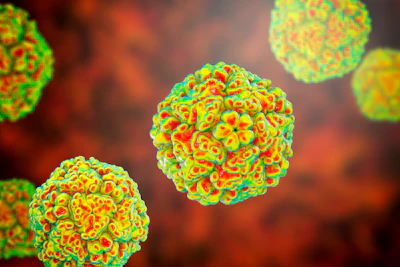
Scientists have uncovered a gene that plays a critical protective role in preventing severe asthma attacks triggered by enterovirus D68 (EV‑D68), a respiratory virus known for causing outbreaks of wheezing, bronchospasm and hospitalizations in children.

The gene — salt‑inducible kinase 1 (SIK1) — is a central regulator of the immune response against EV‑D68 and a potential therapeutic target for virus‑induced asthma exacerbations. The discovery was reported in the study, “Salt-Inducible Kinase 1 Is a Key Gene in Suppressing EVD68-Induced Asthma by Modulating Antiviral Immunity,” and published in journal, Genes & Diseases.
Through an extensive combination of machine learning, genetic analysis and laboratory experimentation, the study highlights SIK1’s ability to strengthen antiviral defenses while reducing harmful inflammation in the airways.
According to the study’s authors, viral infections are one of the most common triggers of exacerbations. EV‑D68 has been linked to surges in severe asthma cases during outbreaks. Yet, until now, scientists lacked a clear understanding of why this virus worsens asthma or how the host’s genes influence disease severity.
This research bridges that gap by revealing how EV‑D68 alters airway immune pathways — especially those involving IL‑17A, a molecule known to drive inflammation and neutrophil recruitment.
Using datasets from hundreds of patients and multiple advanced computational models, SIK1 emerged as a top‑ranked “signature gene” connected to both asthma and EV‑D68 infection.
Key findings from the study include:
- SIK1 levels were higher in both airway biopsy samples and nasal samples from asthma patients.
- Genetic analysis revealed a negative association between SIK1 expression and asthma risk, meaning individuals with higher SIK1 levels are less likely to develop asthma.
- Immune profiling showed SIK1 is tied to lower mast cell activity and stronger T‑cell responses, both crucial for antiviral protection.
In lab experiments, SIK1 demonstrated broad antiviral effects, inhibiting replication of multiple viruses, including EV‑D68, EV‑A71, HSV‑1 and VSV‑GFP.

To test whether boosting SIK1 activity could reduce asthma severity, researchers used mouse models combining EV‑D68 infection with allergen‑induced asthma.
The tests revealed:
- SIK1 activation reduced airway inflammation.
- Mice experienced lower inflammatory cytokines (IL‑5 and IL‑13).
- Antiviral chemokine CXCL10 increased, improving viral clearance.
- Airway hyper‑responsiveness decreased significantly.
In one experiment, treating mice with metformin, a common diabetes medication known to activate AMPK‑related pathways, enhanced SIK1 activity and provided measurable protection against infection‑induced asthma attacks.
Researchers noted that SIK1 may represent a breakthrough in understanding how viral infections worsen asthma. Rather than targeting the virus directly, therapies aimed at strengthening host immune pathways — such as SIK1 — could become a new class of treatments for preventing severe asthma exacerbations.
While the study’s authors indicated more research was needed, including clinical trials in humans, their research highlights an important paradigm shift: reinforcing antiviral immunity may be just as crucial as reducing inflammation in managing asthma triggered by viral infections.