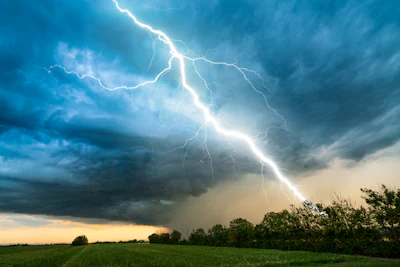
Researchers from the University of Kansas Medical Center’s Wichita site have uncovered a striking connection between thunderstorms and a surge in asthma-related emergency department (ED) visits in the midwestern town. The study, its authors concluded, highlights the need for storm-specific public health strategies.

Recently published in the Annals of Allergy, Asthma & Immunology, the study, “Thunderstorm-Associated Increases in Asthma ED Visits in a Midwestern U.S. City: A Five-Year Review,” analyzed 4,439 asthma-related ED visits across three Wichita hospitals from January 2020 to December 2024. Researchers found that just 38 thunderstorm days — representing only 2% of the calendar — accounted for more than 14% of all asthma ED visits. On average, storm days aligned with nearly six times more asthma admissions (17.91) compared to non-storm days (3.09), a difference that was statistically significant.
“While this doesn’t prove cause and effect, it highlights how weather can be associated with asthma flare-ups,” the study’s lead author, Diala Merheb, MD, an internal medicine resident at the University of Kansas School of Medicine-Wichita, told Healio. “Recognizing these patterns can help clinicians reinforce controller use, review asthma action plans and counsel at-risk patients.”
Researchers noted that this phenomenon, known as thunderstorm asthma, has been documented globally, but this is one of the few studies to examine its impact in a U.S. city with high allergen levels.
The study also found that older age was a significant predictor of asthma exacerbations on storm days, while gender, location and discharge outcomes were not.

The study’s authors said the findings underscore the importance of integrating weather awareness into asthma management plans. Public health officials are encouraged to consider targeted education and preparedness strategies — especially during storm seasons — to reduce the burden on emergency services and protect vulnerable populations.
“We’re hoping to build on this work by looking more closely at local weather and environmental variables, such as wind patterns, humidity and pollen data, to better understand what combination of factors might drive these events,” Dr. Merheb said.