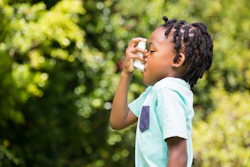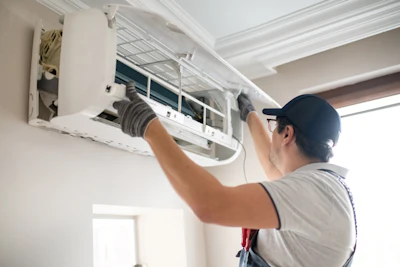
Ultraviolet (UV) filtration technology installed in home HVAC systems may alter environmental microbiomes in ways that improve asthma outcomes in children.
Researchers outlined the science behind UV light and the role it plays in asthma control in a presentation at the 2026 Annual Meeting of the American Academy of Allergy, Asthma & Immunology (AAAAI) in Philadelphia. Their paper, “Manipulations of Environmental Microbiomes by UV Light to Affect Asthma Outcomes,” was published in The Journal of Allergy and Clinical Immunology.

The research — led by Kaleb D. Ware, MD — explored whether UV light, known for its bactericidal properties, could meaningfully shift indoor microbial communities and positively affect asthma symptom control. Dr. Ware is a medical resident/fellow at the University of Cincinnati College of Medicine in Ohio.
“Ultraviolet light has known bactericidal effects, but can that affect asthma outcomes? We created a pilot study that highlights the potential of bacterial changes in the setting of HVAC‑based ultraviolet light to affect asthma symptom modulation and control,” Dr. Ware said in an AAAAI press release.
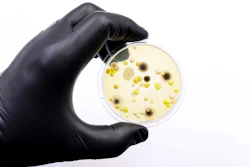
Researchers followed pediatric asthma patients and randomly assigned them to receive either a UV filtration device (CREON2000A) or a sham (inactive) device installed in their home HVAC units. They collected dust samples from carpets at the time of device placement and then again 12 months later. Of the samples collected, 14 paired sets (seven UV, seven sham) contained enough material for microbial analysis.
They evaluated bacterial alpha‑ and beta‑diversity, along with species‑level abundance patterns, comparing them to changes in the Composite Asthma Severity Index (CASI), the study’s primary clinical endpoint.

Although UV filtration did not produce significant changes in overall microbial diversity when compared with the sham device, researchers said notable shifts in specific microbial populations emerged among children whose homes used the CREON2000A device, including:
- A log fold change (LFC) of greater than two (log2) decrease in several bacteria associated with the oral microbiome, including Fusobacterium nucleatum and Veillonella parvula, for each one‑point improvement in CASI.
- Improved CASI, which was also linked to an increase in several common gut commensal organisms, suggesting a potentially beneficial restructuring of indoor microbial exposure.
According to the researchers, this is the first study to indicate that UV filtration may influence environmental microbiomes in ways that could support pediatric asthma control. They noted that the findings — though preliminary — warrant expanded investigation, particularly in public environments such as schools where children face ongoing exposure to indoor allergens.