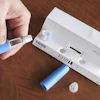
Results from a new international clinical trial may help patients with asthma cut their dependence on long-term steroid treatments and reduce their well-known side effects.
Findings from the phase 3 SUNRISE paper, “Efficacy and Safety of Tezepelumab Versus Placebo in Reducing Oral Corticosteroid Use in Adults With Severe, Oral Corticosteroid-Dependent Asthma (SUNRISE): A Multicenter, Placebo-Controlled, Double-Blind, Phase 3 Trial,” detailed the power of the biologic drug tezepelumab in reducing reliance on oral corticosteroids among adults with severe asthma. The study was published in The Lancet Respiratory Medicine.

The multicenter, double-blind, placebo-controlled study was conducted across 63 sites in 12 countries. Researchers evaluated whether tezepelumab, a monoclonal antibody that targets thymic stromal lymphopoietin (TSLP), could help patients safely lower their daily oral corticosteroid doses while maintaining asthma control. Unlike some biologics that target specific inflammatory pathways, tezepelumab works earlier in the inflammatory cascade, potentially benefiting a broader group of patients.
The study followed adults aged 18 to 80 with severe asthma who had been dependent on oral corticosteroids despite long-term use of inhaled therapies. Participants were randomly assigned to receive either tezepelumab injections every four weeks or a placebo over a 28-week period.
According to researchers, results showed a clear advantage for tezepelumab. Patients receiving the drug were nearly three times more likely to achieve greater reductions in steroid use compared to those given placebo (odds ratio 2.93).
This reduction is particularly important because oral corticosteroids — though effective — are associated with serious long-term risks such as osteoporosis, diabetes and cardiovascular complications, the study’s authors noted. By lowering dependence on these medications, tezepelumab could significantly improve patients’ overall health outcomes., they wrote

Additionally, researchers said the SUNRISE trial revealed encouraging trends in disease control. Results showed that only 30% of patients on tezepelumab experienced at least one asthma exacerbation, compared with 59% in the placebo group, suggesting better overall stability of the condition.
Safety outcomes were similarly reassuring. Authors noted that adverse events occurred in 57% of patients in the tezepelumab group, compared with 72% in the placebo group, while serious adverse events were somewhat lower in the treatment group (8% versus 13%).
Although three deaths were reported during the study, investigators determined that none were related to the treatment itself.
According to the paper, the trial was originally designed to enroll 207 participants but ultimately included 122 patients before being terminated early due to recruitment challenges. About 74% of participants completed the full treatment course. Despite this limitation, researchers noted that the results remained statistically significant, reinforcing confidence in the drug’s effectiveness.

Researchers noted that although further research and larger studies will help confirm long-term benefits, the results mark an important step forward in helping patients manage severe asthma with fewer side effects and improved quality of life.