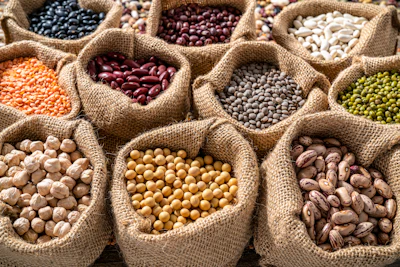
A diet that includes legumes and soy-based foods may help improve symptoms of COPD by reducing inflammation and irritation.
That’s according to the paper, “Isoflavone Intake is Associated With Decreased Chronic Obstructive Pulmonary Disease Morbidity,” published in Chronic Obstructive Pulmonary Diseases: Journal of the COPD Foundation.

While previous research has identified diet and nutrition as modifiable risk factors for COPD, the new study examined how increased isoflavone consumption impacted participants’ breathing symptoms, cough and overall lung health. The researchers wrote that the relationship between isoflavones and respiratory morbidity in COPD have not previously been studied.
For this study, participants were part of an observational cohort of former smokers with clinic visits at baseline, three and six months and monthly telephone interviews. Participants were aged 40 or older with physician-diagnosed moderate-to-severe COPD.
The study assessed the dietary intake of the subjects using the Harvard Food Frequency Questionnaire. Total isoflavone intake was obtained by measuring the intake of genistein, daidzein, glycitein, formononetin and biochanin A.
After adjusting for covariates, the study found a higher total isoflavone intake was associated with better respiratory outcomes, including lower scores on the following:
- COPD Assessment Test (CAT)
- Clinical COPD Questionnaire (CCQ)
- European Coal and Steel Community (ECSC) reference equations
Patients with higher isoflavone consumption experienced fewer breathing-related symptoms, including reduced coughing and less difficulty clearing mucus. Among individual isoflavones, higher intakes of both daidzein and genistein were associated with lower CAT, CCQ and ECSC scores. Formononetin was associated with lower St. George’s Respiratory Questionnaire (SGRQ) and CAT scores, and glycitein was associated with lower ECSC scores.

“Research has proven diet and nutrition can impact lung health. We need to further understand which specific nutritional components are responsible for reducing symptoms of inflammatory conditions like COPD,” said Daniel C. Belz, MD, MPH, of the Division of Pulmonary and Critical Care Medicine at Johns Hopkins University and lead author of the study, in a press release. “Additionally, larger studies are necessary to explore how increasing isoflavone consumption helps improve COPD symptoms and overall lung health.”